
Lionel Messi Retires from the Argentina National Team, His Successor Might Not Be a Single Name.

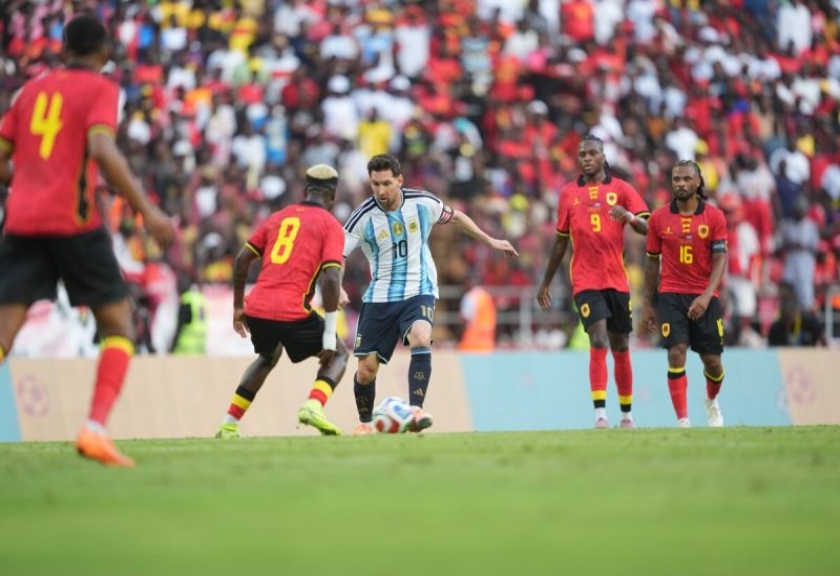
Lionel Messi has finally concluded his long journey with the Argentina national team. This decision from the 39-year-old megastar opens a new chapter for La Albiceleste, while also raising the critical question: who will take over Messi's role as the leading face of Argentina?
Messi announced his retirement via an official letter posted to his Instagram account on Monday. After more than two decades with the national side, the captain stated he had given every last thing he had to offer his country.
"After the time that has passed following the 2026 World Cup final, and after deep consideration of this decision, I am here to inform everyone that I am retiring from the national team," Messi stated.
READ ALSO
Lionel Messi Reveals Physical Condition and Chance to Play for Argentina in 2026 World Cup
Lionel Messi Officially Retires from the Argentina National Team, Leaving a Legacy of 4 Major Trophies
Lionel Messi Is Unstoppable at 39 Years Old, Does He Deserve to Hold the GOAT Status?
This decision does leave a substantial void in Argentina's attacking line. However, Messi also revealed a core reason behind his choice: a new generation has emerged, and they deserve their opportunity on the international stage.
"I have given everything, there is nothing more I have left to contribute. Beyond that, there are exceptional young players coming through who have earned this chance," he added.
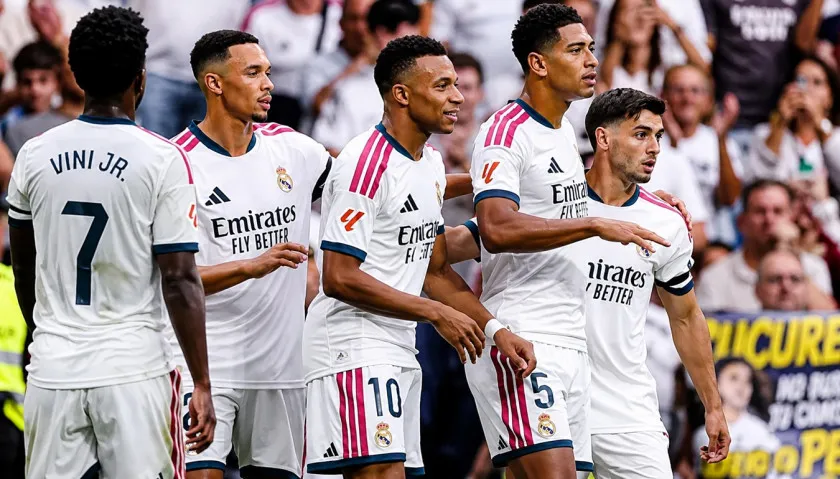
For nearly two decades, the number 10 jersey became inseparable from Messi for Argentina. Now, any player that wears that shirt will immediately be held up against the legacy of the legend.
Nico Paz, Candidate For Argentina's New Creative Playmaker
One of the most promising names to fill the creative gap left by Messi is Nico Paz.
The young talent has already earned Lionel Scaloni's trust and was called up to Argentina's 2026 World Cup squad. The AFA included Paz in their final 26-man roster for the tournament as the side set out to defend their world title.
While Paz has a distinct playing style compared to Messi, his ability to operate behind the forward line and generate goalscoring opportunities positions him as a leading candidate to lead Argentina's creative output.
Paz's emergence does not mean Argentina have found a "new Messi". Instead, Scaloni's core challenge now is building a system that does not revolve entirely around one individual player, unlike the setup of the previous era.
For many years Messi was the sole central creative hub for Argentina. Going forward, this responsibility will now be distributed across multiple players.
Julian Alvarez As The Potential New Face Of The Side
The next prominent candidate is Julian Alvarez. Unlike Messi who functioned as both primary creator and finisher, Alvarez is a dynamic forward who operates with constant movement, presses opposition defences and creates space for teammates.
His importance within the side has grown steadily in recent years. FIFA records note that Alvarez returned to peak form at the 2026 World Cup, establishing himself as one of Argentina's most influential players throughout the tournament's knockout stages.
Alvarez provides Argentina with a completely different tactical profile. He will not be required to replace Messi directly, but instead can take on an increased goalscoring burden while emerging as the leading figure for this next generation.
Argentina Already Possesses A Deep Base Of Established Players
There is no cause for panic following Messi's retirement, as Argentina already has a large pool of players with proven international experience.
Argentina's 2026 World Cup squad demonstrates the impressive depth of talent available to the side. Alongside Alvarez and Paz, the roster includes Lautaro Martinez, Thiago Almada, Giuliano Simeone, as well as midfielders Enzo Fernandez, Alexis Mac Allister and Rodrigo De Paul.
This existing squad structure allows Scaloni to rebuild Argentina under an entirely new tactical approach.
The upcoming era will not focus on finding one single player capable of carrying all of Messi's responsibilities. Instead, workload and accountability will be distributed across multiple members of the team.
Creative output can come from Paz and Almada. Midfield control will be anchored by Enzo and Mac Allister, while Alvarez and Lautaro will lead the line as the side's primary goalscoring threats.
Argentina had already begun reducing their tactical reliance on Messi in the years leading up to his retirement.
FIFA analysis shows Scaloni had already implemented new structured movement patterns and combination play systems, meaning Messi was no longer required to be involved in every single phase of the team's play.
This new generation of Argentine players do not need to replicate Messi. They only need to build their own version of the Argentina national team. And there will not be just one single heir to his legacy.


Belum ada komentar. Jadilah yang pertama!